
Planning solar backup: which appliances should stay on when the grid goes down
Smartlink Team ·
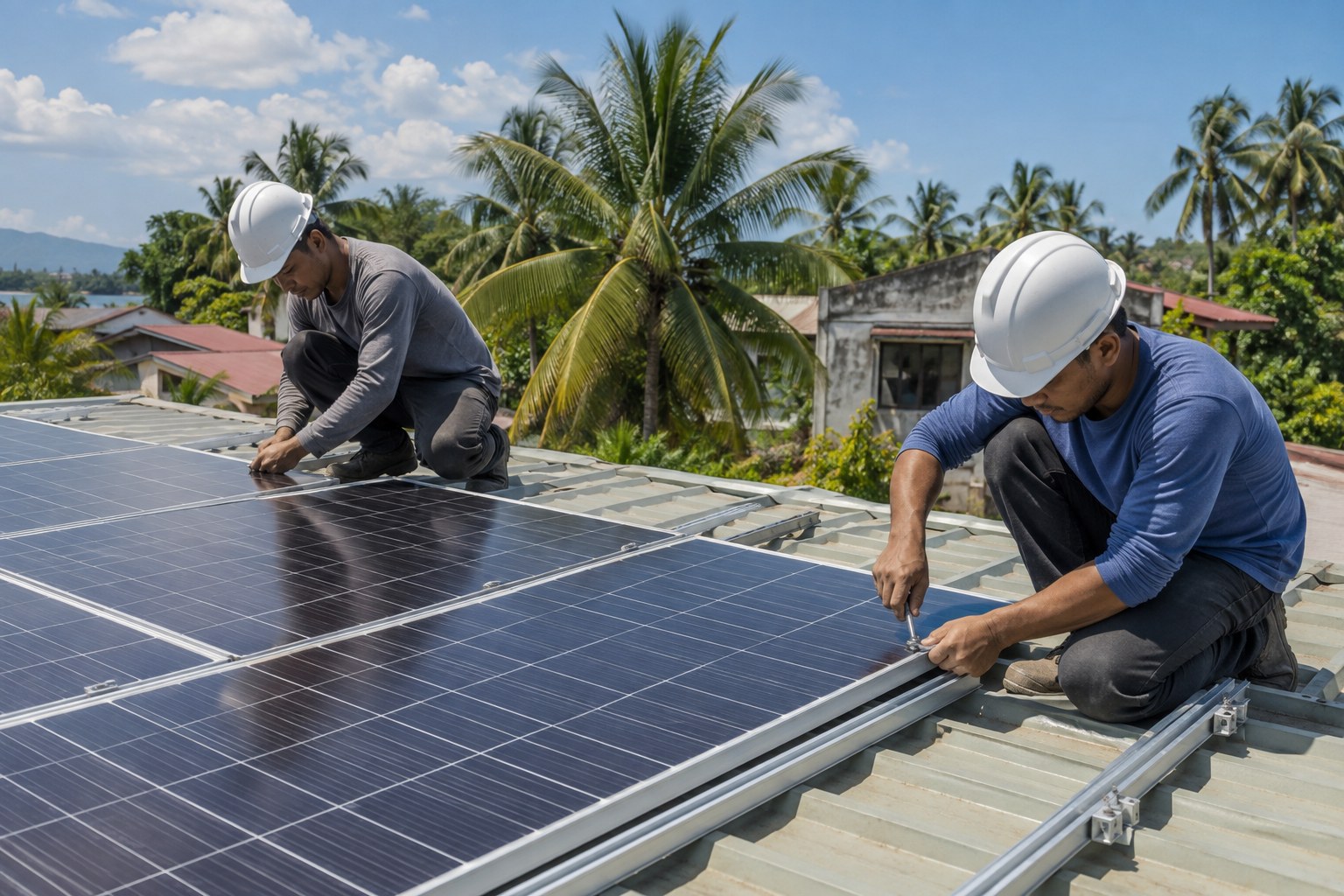
Most solar conversations in the Philippines start with an outage. The power goes out, the house or shop goes quiet, and someone says we should look into solar. That is a reasonable beginning, but the more useful question comes right after it: what exactly did you wish was still running? Answering that appliance by appliance, before anyone looks at a roof, is what turns a general idea into a system that fits your life.
Start with the brownout, not the panel
Recall the last long outage. Not the inconvenience in general, but the specific things that stopped. Most households and small businesses come up with a similar list:
- lights in the rooms you actually use after dark
- the refrigerator, or a freezer holding stock you cannot afford to lose
- the router and modem, so the internet stays up
- an electric fan, or one air-conditioned room on a hot night
- phones and a laptop, for work and for news
- CCTV, the gate motor, or the door access system
- at a shop or clinic, the point-of-sale terminal, some lights and the security system
Write your own list down. It becomes the backbone of the design. A system planned around a real list is easier to justify, easier to use, and much easier to explain to the people who share the house or the building.
Whole-home backup, or a few chosen circuits?
Broadly, there are two directions. One is to back up the whole property, which means the solar and battery setup has to carry everything that might be switched on at the same time, air conditioners included. The other is to back up selected circuits, sometimes called essential loads, wired to a separate panel so they keep running while the rest of the building waits for the grid.
Neither is automatically better. Whole-home backup suits a household that does not want to think about which switch is which. Selected circuits suit many homes and most small businesses, where a few lights, the internet, the fridge and the security system matter far more than everything else. Choosing fewer loads does not mean a lesser system; it often means a simpler one that is easier to live with.
This is where a hybrid system comes in. In a hybrid setup, solar panels, a battery and the utility grid work together: the panels charge the battery and run the building through the day, the grid tops things up when needed, and the battery carries your chosen circuits when the grid goes down.
Not every load behaves the same way
A load is simply anything that draws electricity. Not all loads are equal, though, and this is where a rough guess often goes wrong.
Electronics and lights draw a fairly steady amount. Appliances with a motor, such as a refrigerator, an air conditioner, a water pump or a gate motor, draw a short burst of extra current when the compressor or motor starts, then settle to a lower running draw. That starting surge is why a plan based only on the labels on your appliances can fall short. Two or three motor-driven appliances starting within the same minute matter more than a dozen small ones.
The other piece of equipment worth understanding is the inverter, the box that converts the direct current stored in batteries and produced by panels into the alternating current your appliances use. A properly specified inverter is chosen to handle the startup of motors and to keep sensitive equipment such as computers and CCTV recorders comfortable.
Your daily routine shapes the design more than the roof does
Two households with identical appliances can need different plans. It depends on when the building is occupied, what runs at the same time, and how long outages tend to last where you are.
A family that is out all day and home in the evening uses solar differently from a home-based business with a freezer and a computer running from morning. A dry-season week and a stretch of cloudy, rainy days ask different things of a battery. If an air conditioner runs all night, that is a very different load from a fan and a few lights. For a business, the honest question is which equipment must not stop, and which can simply wait until the grid returns.
None of this requires you to compute anything. It requires you to describe a normal day, and an outage day, accurately.
What a site assessment is really checking
A site visit is not just a look at the roof. It answers several questions that no phone conversation can settle: where panels can actually sit, what shade from trees or neighbouring structures will fall on them through the day, and what condition the roof is in. It also looks at where a battery could be housed, ideally somewhere cool, dry, ventilated and not prone to flooding, and how the battery and monitoring would connect to the rest of the electrical system.
The existing wiring and the main electrical panel matter too. Older buildings sometimes need attention there before anything new is added, and that work belongs to a licensed electrician. The same goes for getting on the roof: panel mounting and any wiring should be left to qualified people with the right equipment. What is possible at your location is something the assessment confirms, since roofs, shade and supply differ from one property to the next.
Questions worth bringing to the conversation
- What do I want running during an outage, and how long does it usually need to run?
- Which of those appliances have motors?
- Do I expect to add an air conditioner, a pump or new equipment soon?
- Where could a battery sit, and is that spot dry and ventilated?
- How would I see what the system is doing day to day?
- Who do I call if something looks wrong?
Solar and battery planning gets much clearer once it is about your own list of loads rather than about panels in general. Smartlink covers energy needs and site assessment, solar panels and hybrid system options, and battery backup with monitoring integration; you can read more on the solar page. If you would like to talk through what you want to keep running, send a message on Smartlink's Facebook page, call +63 918 200 0005, or use the contact page. There is no rush, and no obligation.